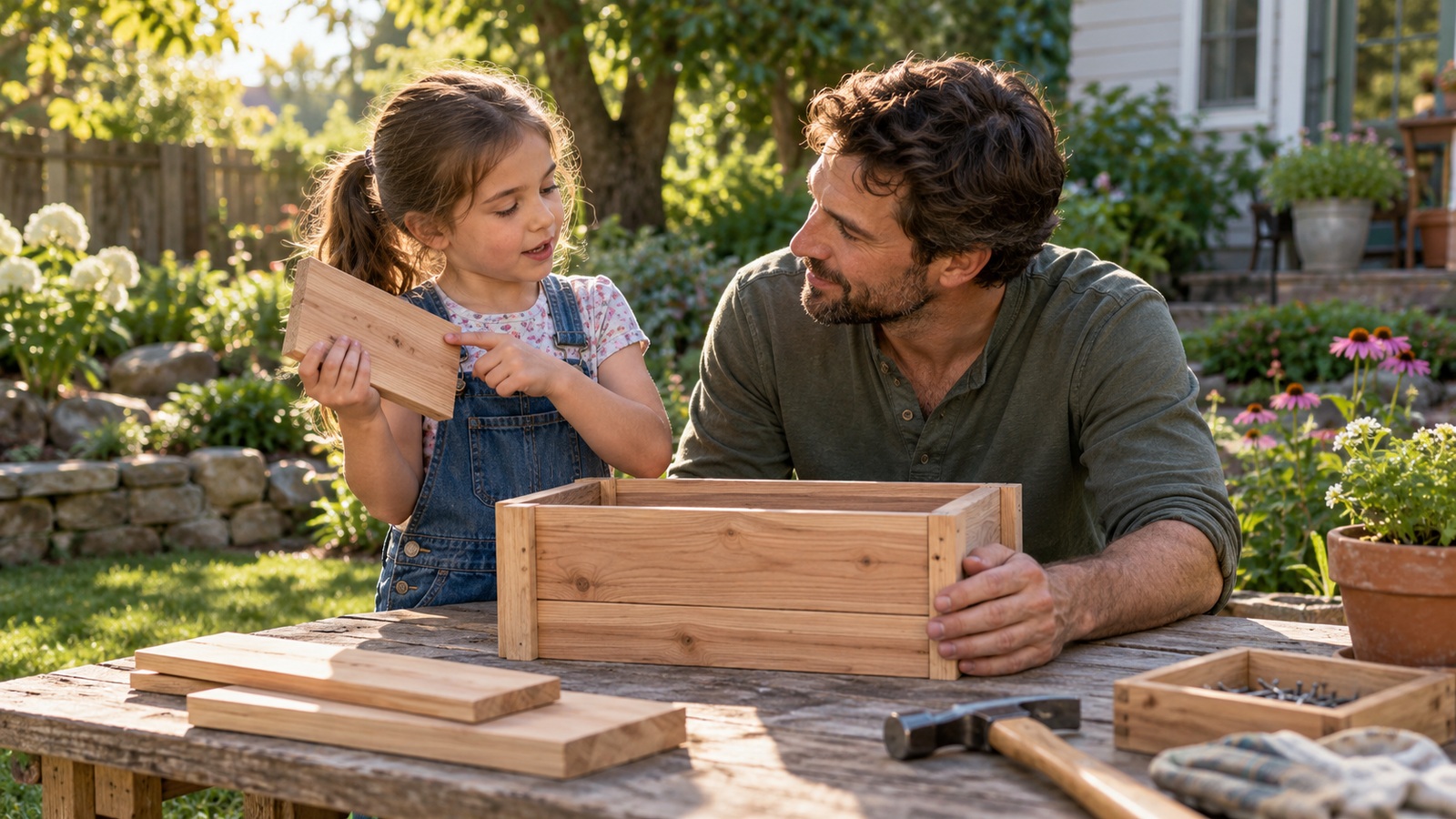
A Parenting Style Is Something You Can Notice and Adjust
Parents bring preferences into family life: a pace they enjoy, a way of explaining things, an idea of what counts as useful help, or a familiar response when plans change. Zodiac archetypes can offer a playful vocabulary for noticing those habits. They cannot determine parenting quality, predict a child’s needs, or excuse a response that is not working. This guide looks at all twelve signs from the adult’s side of the relationship, exploring the opportunities and blind spots in enthusiasm, structure, conversation, care, recognition, and privacy. The aim is to help a parent ask which part of their own style serves the child now and which part needs another form. You do not need to resemble one description consistently. Children grow, circumstances change, and attentive parenting leaves room to revise a familiar approach rather than treating it as a permanent identity.
A: No. It is a reflective description, not a fixed identity.
A: Yes. Demonstrate and allow a suitable pace.
A: Reconsider it when its form no longer fits.
A: No. Listening and adult responsibility can coexist.
A: No. Ask which recognition feels comfortable.
A: Yes. Leave appropriate parts of the attempt with the child.
A: No. Remain available at an appropriate level.
A: Not necessarily. Avoid assigning motives without information.
A: Yes. Observe whether another approach fits better.
A: The real child's age, circumstances, and communicated needs.
Keep the Adult’s Preference Separate From the Child’s Need
A parent may find a lively outing energizing while the child prefers a smaller activity, or value a precise routine while the child needs an instruction shown in another way. Begin by noticing the difference rather than assuming the adult’s preferred method is automatically the right fit. The American Academy of Pediatrics emphasizes understanding individual temperament; an astrological label cannot do that observation for you. Use the sign themes below to reflect on your own habits, then ask what the actual child communicates. The adult remains responsible for clear limits, care, and appropriate expectations, including when a favorite family activity is less enjoyable to the child than expected.
Aries and Sagittarius: Share Initiative Without Rushing Participation
Aries symbolism can describe an adult who enjoys getting things started, encouraging an attempt, or meeting an obstacle directly. That energy can make an unfamiliar activity feel approachable, especially when the parent offers a clear first step. The possible blind spot is moving ahead before the child understands what is happening. Demonstrate, give an age-appropriate choice when one is available, and allow an attempt to take its own reasonable pace. Enthusiasm should make participation easier, not turn speed into evidence of courage or commitment. A child can be interested and still want to watch before joining.
Sagittarius symbolism introduces exploration and the pleasure of a wider perspective. A parent may enjoy outings, stories about unfamiliar places, or following a child’s unexpected question. The useful limit is scale: a small discovery can be enough, and the child need not share the adult’s appetite for a long excursion. Explain what the activity involves and keep practical needs in view. When it is time to stop, acknowledge the child’s interest without making an impossible promise to continue indefinitely. Curiosity can be welcomed within a predictable boundary, and a quiet afternoon need not be treated as a missed opportunity.
Taurus and Capricorn: Make Structure a Support Rather Than a Test
Taurus symbolism can describe a parent who values familiar rituals, a comfortable setting, and an unhurried pace. Those preferences may create enjoyable continuity, but the child may experience a particular ritual differently. Ask whether the familiar activity is still welcome instead of assuming its history makes it essential. A small change can preserve the intention while improving the present experience. The parent’s attachment to a tradition deserves recognition without becoming a duty the child must perform to demonstrate family affection.
Capricorn symbolism raises responsibility, planning, and sustained effort. A parent may appreciate a clear sequence or enjoy helping a child complete a manageable project. Keep the expectation appropriate to the child’s age and the purpose of the activity. Learning is not the same task as producing the fastest finished result. An adult can value effort while allowing help, uncertainty, and play. A capable child should not be assigned adult worries or expected to remain composed simply because responsibility sounds like a flattering trait.
For either symbolic style, review a routine when circumstances change. A plan that worked at an earlier age may now leave too little appropriate choice or require instructions in another form. Explain what remains a firm boundary and what can be adjusted. Predictability can concern the clarity of the adult’s response, rather than an insistence that every detail remain unchanged. The child should be able to understand the arrangement without having to protect the parent’s identity as the person who keeps everything orderly.
Gemini and Aquarius: Make Discovery a Shared Activity
Gemini’s conversational symbolism can become a lively way to explore a child’s current interest. During a walk, the adult might ask why two leaves look different, listen to the child’s explanation, and look more closely together. With an older child, inventing alternate endings to a familiar story can turn ordinary company into a shared experiment. The adult contributes curiosity and language while allowing the child to determine which thread is interesting enough to follow.
Aquarius brings a different angle: examining how something could work another way. A caregiver and child might design a household recycling label with drawings, compare two ways to organize a board game, or investigate why a favorite object has a particular shape. The activity can end with an unanswered possibility rather than a finished lesson. A quieter child may prefer drawing the idea, while an eager talker may want to demonstrate it. In either case the adult’s interest supports the child’s way of participating instead of requiring a constant stream of clever answers.
Cancer and Pisces: Offer Warmth Without Requiring a Particular Response
Cancer symbolism can reflect a parent who values familiarity, family memories, and the comfort of a welcoming home. A useful question is how the child experiences the offered care. They may enjoy a familiar greeting, want time before talking, or prefer another gesture. A hug or personal story should not become an affection test. The adult can remain warmly available while allowing the child a different response. Shared belonging has more room when it does not depend on reproducing the adult’s favorite emotional atmosphere every time.
Pisces symbolism introduces imagination and receptive attention. A parent may enjoy joining a story, listening to an unfinished explanation, or allowing an activity to unfold without a fixed result. This can create enjoyable play, but the child still benefits from understandable transitions and limits. Explain when an activity is ending and what comes next rather than expecting the mood alone to guide the day. Receptivity does not require agreeing to every request, and a clear boundary need not dismiss the child’s imagination or the meaning of what they were doing.
Both descriptions invite attention to emotional boundaries. A child can be considerate without becoming responsible for the adult’s sadness, disappointment, or need for reassurance. If a parent misses an earlier ritual or dislikes a changed preference, that feeling belongs with the adult to handle appropriately. The child can be welcomed as they develop rather than asked to remain the version that once made family life feel most comfortable. Warmth becomes more reliable when it can include difference. A shared drawing can give warmth an observable form: the child chooses what to show, and the adult listens without needing the picture to disclose a hidden feeling.
Leo and Libra: Recognition and Fairness Need the Child’s Point of View
Leo symbolism can describe generous encouragement and delight in a child’s expression. The useful question is whether the recognition fits the recipient. One child enjoys showing an activity to visitors, while another wants it kept within a smaller circle. Ask before sharing a creation or making an occasion out of a personal achievement. The adult’s pride can remain sincere without requiring the child to perform publicly. An ordinary attempt deserves interest too, even when it does not produce a talent, result, or story that looks impressive from outside.
Libra symbolism introduces attention to fairness and the experience of more than one person. A parent may help explain turns, compare options, or notice when a conversation excludes someone. The possible blind spot is making every limit appear negotiable in the wish to keep the interaction pleasant. Be clear about which choices are real and which decisions belong to the adult. Listening to a child’s view does not mean handing them responsibility for the final arrangement. Fairness can include different age-appropriate expectations rather than an identical rule for every family member.
Virgo and Scorpio: Attend Closely Without Turning Attention Into Scrutiny
Virgo symbolism can reflect a parent who notices details and wants to help an activity work. That care can be useful when it answers the child’s actual need. Ask whether a demonstration, a hint, or another attempt would help before taking over. Constant correction can change a playful experience into a performance review, even when the intention is supportive. Distinguish a task that needs a precise result from one whose purpose is exploration. The child should know whether the adult is helping them learn or urgently completing a separate practical job.
Scorpio symbolism may resonate through private attention and a wish to understand what matters beneath an outward response. The useful limit is not assuming that every silence contains a hidden story the adult must uncover. Give the child age-appropriate room while remaining responsible for care and supervision. Explain a question’s purpose and make it possible to answer plainly. A close relationship should not require a loyalty test or the expectation that personal disclosure must prove love. Trust develops through consistent, understandable interactions rather than pressure to reveal everything.
Both styles can benefit from noticing what is already going well without turning the observation into a fixed label. A child who is careful once need not become the family’s perfectionist; a child who shares a private concern need not become the one who always tells the adult everything. Leave room for changing interests and different responses. Attention is more useful when it keeps learning about the child than when it confirms the first description the parent found convincing.
Two Caregivers Can Contribute to the Same Bedtime
Picture one caregiver who enjoys a playful story and another who reliably prepares the room and remembers where the favorite blanket is. Those contributions can work together: preparation makes room for the story, and the story gives the transition a welcome shape. Agree which parts of bedtime need consistency, such as the sequence and the time to finish, then let the adults bring different expressions within it. On another evening the usually playful caregiver may handle the practical steps while the other reads. The child gets a recognizable routine without needing to classify one adult as fun and the other as strict. Use the sign portraits to identify an available strength, then share the work required to make that strength helpful.
Let a Familiar Style Become One Choice Among Several
Choose a recent interaction and ask which part of your own response was a preference rather than a necessity. Perhaps you spoke quickly, offered advice before listening, or kept an activity going because you were enjoying it. Consider one small adjustment that leaves the essential boundary clear. A shorter explanation, a quieter transition, or a genuine limited choice can provide information about what fits this child in this setting.
No zodiac style establishes a parent’s quality or predicts a family’s future. The descriptions are useful only while they support curiosity and appropriate reflection. Keep the child’s real responses larger than the archetype, and let your own habits remain open to change. Parenting can include enthusiasm, steadiness, conversation, tenderness, recognition, and clear limits without requiring you to represent one sign consistently. The goal is a relationship that responds to the growing person in front of you, rather than preserving an adult identity at the child’s expense. For the child’s side of the interaction, return to parent-child compatibility in everyday moments and compare what each person is being invited to do.