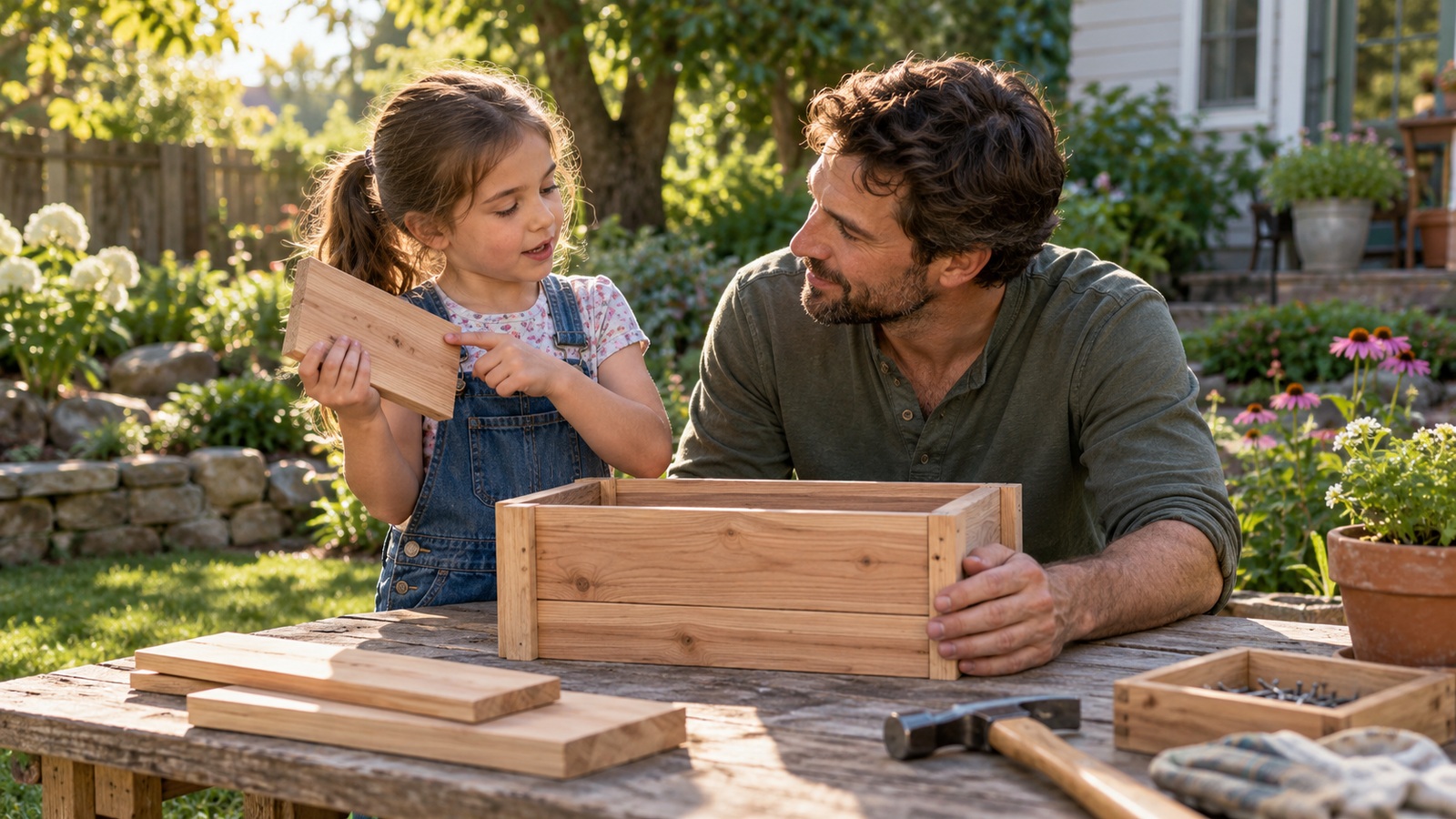
Connection Begins With the Child in Front of You
A parent and child can enjoy each other deeply while approaching an ordinary day at different speeds. One wants to talk on the way home, another needs a quieter transition, and a third is ready to begin a new activity before the adult has finished explaining it. Zodiac compatibility can offer playful prompts for noticing those contrasts, but it cannot establish a child’s personality or decide how well a family will connect. This guide explores all twelve signs through everyday communication, play, routines, and comfort, with the adult’s responsibility kept clear. A child should not be expected to manage a parent’s feelings or fit a flattering chart description. Use the symbols to question an assumption, then return to what the child actually communicates. The aim is a more attentive relationship, not a ranking of easy children, difficult pairings, or supposedly ideal families.
A: No. Observe the individual child and context.
A: No. It cannot determine a family bond.
A: No. Give each child individual attention.
A: No. Offer care without requiring a performance.
A: Adult responsibilities should remain with adults.
A: Each option is actually available and acceptable.
A: It is an ordinary adjustment worth observing.
A: No. Explain appropriate boundaries clearly.
A: No. A child can simply enjoy it now.
A: When age, context, or observed needs change.
Observe the Interaction Before Explaining It Through Astrology
Children vary in their preferences, responses, and pace, and those differences develop within real circumstances. The American Academy of Pediatrics discusses the importance of understanding a child’s individual temperament. An astrological sign is not a substitute for observing that individual. Start with a particular interaction: what happened, what was asked, and how the child responded. A broad label may feel explanatory while missing a simple detail such as tiredness, an unfamiliar setting, or an instruction that was not clear.
Notice the adult’s preference too. A parent who enjoys a lively gathering may assume it is enjoyable for everyone, while a parent who values a settled routine may find an unexpected request especially disruptive. Those reactions deserve reflection, but the child is not responsible for making the adult’s preferred atmosphere happen. The adult can adapt the arrangement, explain a limit, or offer an appropriate choice without treating difference as disloyalty.
Astrology’s elements can supply a light framework for that reflection. Fire is associated with initiative, earth with continuity, air with exchange, and water with personal meaning. Every child can act, prefer familiarity, ask questions, and want comfort. The point of the categories is to generate a useful observation, not place the child in a box that determines what the parent expects to see.
Fire-Sign Themes: Invitation, Expression, and Discovery
Aries symbolism can prompt a parent to consider how a child participates in starting something. Instead of assuming impulsiveness, notice whether a clear first step or a limited choice makes an activity easier to join. Leo symbolism can raise the question of recognition: does the child enjoy showing a creation, prefer a quiet acknowledgment, or want the adult to join the play rather than praise it from outside? Neither symbol tells you the answer. An enthusiastic parent may need to leave room for a child who wants a smaller audience, while a quieter parent may discover that a little shared excitement feels welcome. The connection develops through the response to the actual invitation.
Sagittarius symbolism invites exploration and a wider view. A child may enjoy asking what lies beyond a familiar route or learning about a subject, but curiosity does not need to become a large outing. A small discovery near home can offer plenty of shared attention. The adult chooses a safe, age-appropriate scope and explains practical boundaries. If the child wants to continue when it is time to leave, acknowledge the interest while keeping the limit clear. A parent can welcome exploration without promising that every interesting possibility will become today’s plan. For a younger child, an invitation to build a cushion obstacle course can make initiative visible; an older child might prefer choosing the route for a supervised outing.
Earth-Sign Themes: Familiarity, Useful Participation, and Structure
Taurus symbolism can prompt attention to what makes an activity feel familiar and comfortable. A parent might notice that a child joins more readily after seeing the materials or knowing where the activity will happen. Ask what can remain recognizable when something changes. A small preview may be useful, but do not assume that every child with this sign resists novelty. The observable preference matters more than the expected trait, and the child may enjoy something different in another setting.
Virgo symbolism can introduce the pleasure of doing something useful and noticing details. Invite a child into a manageable part of a task without making precision the price of participation. The adult can demonstrate, leave room for an attempt, and respond to effort without turning every difference into a correction. A parent who values a finished result may need to distinguish a shared learning activity from a task that must be completed quickly. The child should know which kind of experience is taking place.
Capricorn symbolism raises structure and responsibility. A child may appreciate knowing the order of an activity or having a small job that genuinely fits their age. That does not justify describing them as the family adult or expecting unusual maturity. Keep responsibilities appropriate and allow play, help, and uncertainty. A capable child still needs care. Connection can include a clear routine while leaving the adult responsible for the larger arrangements and for noticing when a task has become too much. An adult who likes orderly preparation could set out the ingredients for a snack while letting the child choose the combination, giving structure and choice different jobs.
Make the Invitation Clear Enough to Answer
A child may respond differently when the task itself becomes easier to understand. Instead of offering a large instruction such as getting everything ready, name the next manageable action and show it when useful. Explain whether you are asking for help, offering play, or setting a necessary limit. The distinction can matter more than a symbolic account of the child’s sign. A parent who enjoys quick verbal exchanges may need to slow down, while one who prefers a detailed explanation may need to make the first step shorter.
Notice what changes after the adjustment without treating one successful moment as a complete personality explanation. The same approach may need another form in a crowded setting, after a demanding day, or at a different age. Ask whether the child understood and leave room for a simple correction. This is an ordinary way to learn about a shared interaction. Astrology can suggest a question, but it cannot replace that ongoing process of observing, explaining, and responding to the real person.
Compare the Adult and Child in One After-School Moment
Consider a talkative adult greeting a child who wants a quiet snack before describing the day. An air-themed invitation could offer two ways to reconnect: tell one funny moment now or choose a game to play later. Reverse the scene with a quiet adult and a child eager to explain a complicated playground invention. That adult can listen to the demonstration for a few minutes before settling into the evening routine. The useful comparison is the direction of the mismatch: in the first scene the adult makes room for silence, while in the second the adult makes room for expression. Neither scene requires the child to adopt the adult’s preferred arrival ritual, and neither tells you the child’s temperament from a sign.
Air-Sign Themes: Questions, Shared Choices, and Independent Ideas
Gemini symbolism can invite curiosity about what a child is trying to understand. A question may be a request for information, an opening for company, or part of playful exploration. Respond at a level that fits the child’s age rather than treating a quick answer as the end of the exchange. Libra symbolism can raise participation in a shared choice. Offer a small number of genuine options when a choice is available, and be clear when an adult decision is not open to negotiation. A child should not have to guess whether the invitation to choose is real or merely a request to select the answer the parent already prefers.
Aquarius symbolism suggests room for an individual perspective. A child may propose an unexpected use for materials or enjoy an interest the adult does not share. Ask about it before deciding that the difference is a problem. The parent can remain responsible for limits while showing interest in the child’s reasoning. Shared connection does not require identical tastes. A few attentive questions and a willingness to join a suitable activity can communicate respect more clearly than insisting the child enjoy the parent’s own favorite hobby. A child who wants to explain every rule of an invented game may welcome a listening partner more than an adult’s improved version of the rules.
Do Not Turn a Compatibility Chart Into a Family Ranking
A favorable sign pairing cannot remove ordinary conflict, and a challenging description cannot make a child harder to love or destined to misunderstand a parent. Avoid comparisons between siblings based on which chart appears easier. Each child deserves individual attention without being assigned the family role of peacemaker, difficult one, entertainer, or dependable helper. If a description encourages curiosity, it may have a playful place in conversation. If it narrows expectations or makes the adult overlook what the child is actually saying, set it aside. The relationship is not an examination the child must pass by resembling a zodiac profile.
Water-Sign Themes: Comfort, Privacy, and Imaginative Play
Cancer symbolism can prompt questions about belonging and reassurance. A familiar greeting or a predictable way to reconnect may feel welcome, but ask what the child likes rather than assuming the answer. A hug, a conversation, or a little space can be experienced differently by different children. The parent can offer care without requiring an affectionate performance in return. A child’s response to one gesture should not be treated as a verdict about how much they love the family.
Scorpio symbolism raises private meaning and sustained interest. A child may want time before sharing a story or become closely engaged with a subject. Respect appropriate privacy while remaining attentive to the adult responsibilities of care and supervision. Do not interpret every quiet response as secrecy or turn the relationship into an investigation. Give the child clear, age-appropriate explanations of boundaries. A trustworthy interaction includes knowing what the adult is asking and why, rather than being expected to reveal everything to demonstrate loyalty.
Pisces symbolism can invite imaginative play and openness to an experience that is not yet neatly explained. Join a story, ask about a drawing, or let an activity remain exploratory when its purpose allows that. The adult can help mark transitions between play and the next practical task without dismissing what the child was enjoying. Imagination needs neither a grand talent label nor a prediction about a future identity. The child can enjoy an experience today without being required to preserve it as their defining gift. At a family gathering, offer a choice between joining the shared story and sitting nearby with a familiar activity; belonging can include either form of participation.
Let Age and Context Keep Changing the Conversation
The same child may want a different kind of connection as they grow. An activity that once felt welcoming can become less appealing, and an older child may want more influence over appropriate parts of their routine. Ask again rather than treating an earlier preference as permanent. The adult can explain what remains a responsibility, what can be chosen, and which arrangement will be reviewed. Clear limits and attentive listening can coexist without giving the child responsibility for the whole family decision.
Parent-child zodiac compatibility is most useful as a prompt to look more closely, not a conclusion about who either person must be. Choose one ordinary interaction and consider whether a small change makes participation easier: a clearer instruction, a genuine choice, a quieter transition, or more room for an unfamiliar interest. The important evidence is the child in front of you and the relationship you build through repeated care. All twelve signs can supply questions, but the adult remains responsible for meeting the real child with attention, appropriate boundaries, and room to develop beyond every description. The companion guide to friendship and family bonds broadens the discussion from this adult-child interaction to other relationships around the household.